Where There's a Will....
…..there’s a way, as the saying goes.
However, when it comes to creating a will, it doesn’t always produce the outcome in the right way.
Without a will, your loved ones may understand your wishes, but the law may dictate a different outcome. A will provides clarity, helps ensure your assets are distributed as intended and removes uncertainty for your family when they need certainty most.
If you already have a will, reviewing it regularly helps ensure it keeps pace with life’s changes. As your circumstances, relationships and wealth evolve, an up-to-date will provides reassurance that your wishes will be carried out and your loved ones protected.

Why you should have a will
Who can help with will planning for you?
There’s more than one way to create a will, and the right option depends on how simple or complex your situation is.

You can write your own
A DIY will is created using templates or online services and can be a convenient starting point. While it can work for simpler situations, mistakes or unclear wording can lead to unintended outcomes or even invalidate the will altogether.

A solicitor
Using a solicitor is generally the safest and most reliable way to make a will, helping to ensure it is legally valid and accurately reflects your wishes. This is especially important if you have children, significant assets or more complex family or financial circumstances. We work closely with a number of trusted solicitors and would be happy to recommend one based on your specific needs. Please speak to your Financial Planner in the first instance.

A professional will writer
A will writer can often be a more cost-effective alternative to a solicitor, though quality can vary significantly. To protect yourself, always check that they are a member of a recognised professional body such as the Institute of Professional Willwriters (IPW), which holds its members to clear standards of practice.

Financial planners
A financial planner can play a valuable role in the will-writing process, helping you structure your estate and identify planning opportunities you may not have considered. They will typically work alongside a solicitor to ensure that whatever is agreed is correctly drafted and legally sound.
Nearly half of wills are out of date
A will should be reviewed every three to five years and whenever a significant life event occurs. However, research from Solicitors for the Elderly suggests that around half of UK adults are living with an out-of-date will, increasing the risk that their current wishes may not be reflected when it matters most. These are some of the reasons you should regularly revisit your will.
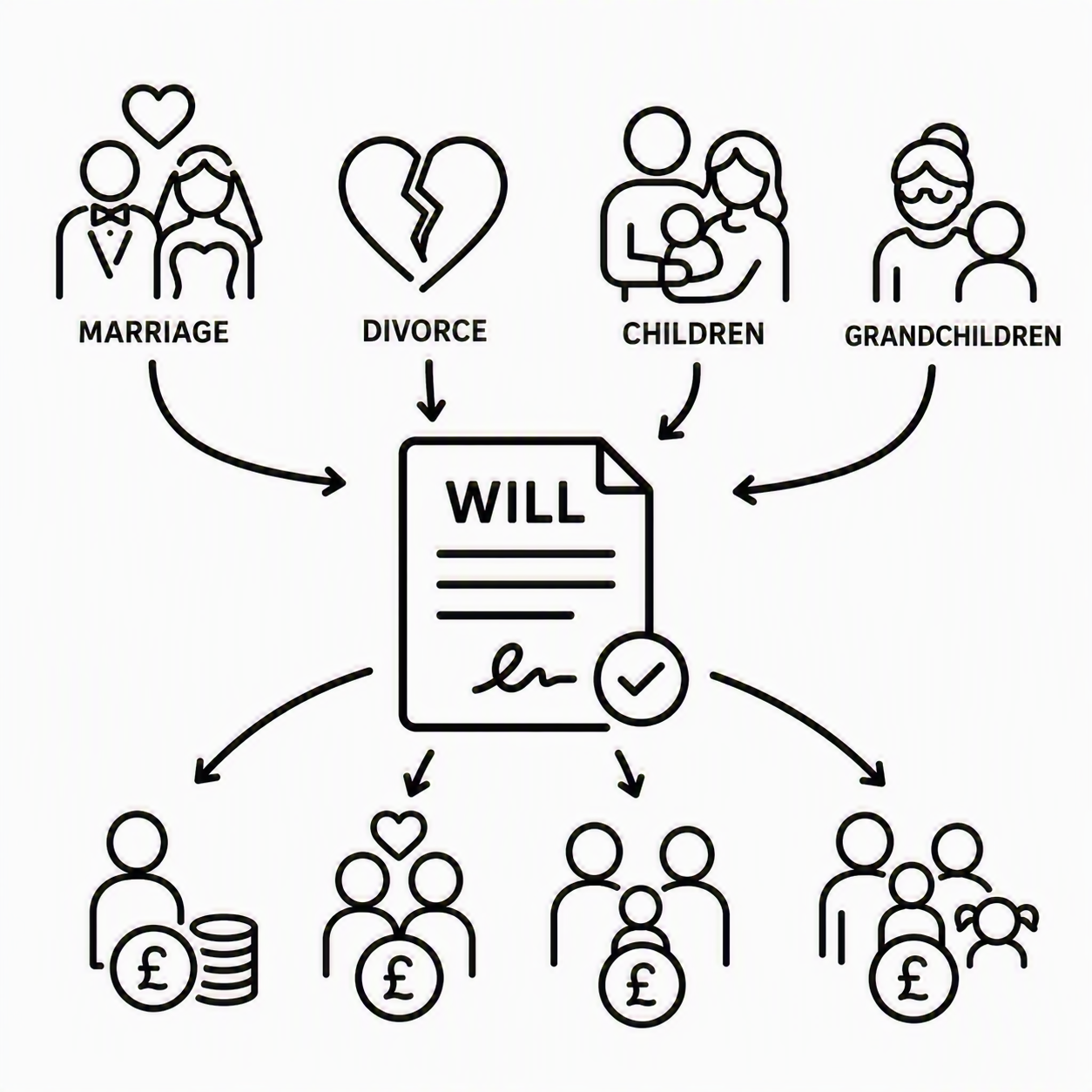
Change in circumstances
Life events like marriage, divorce, children, or grandchildren can all affect how your estate should be distributed.
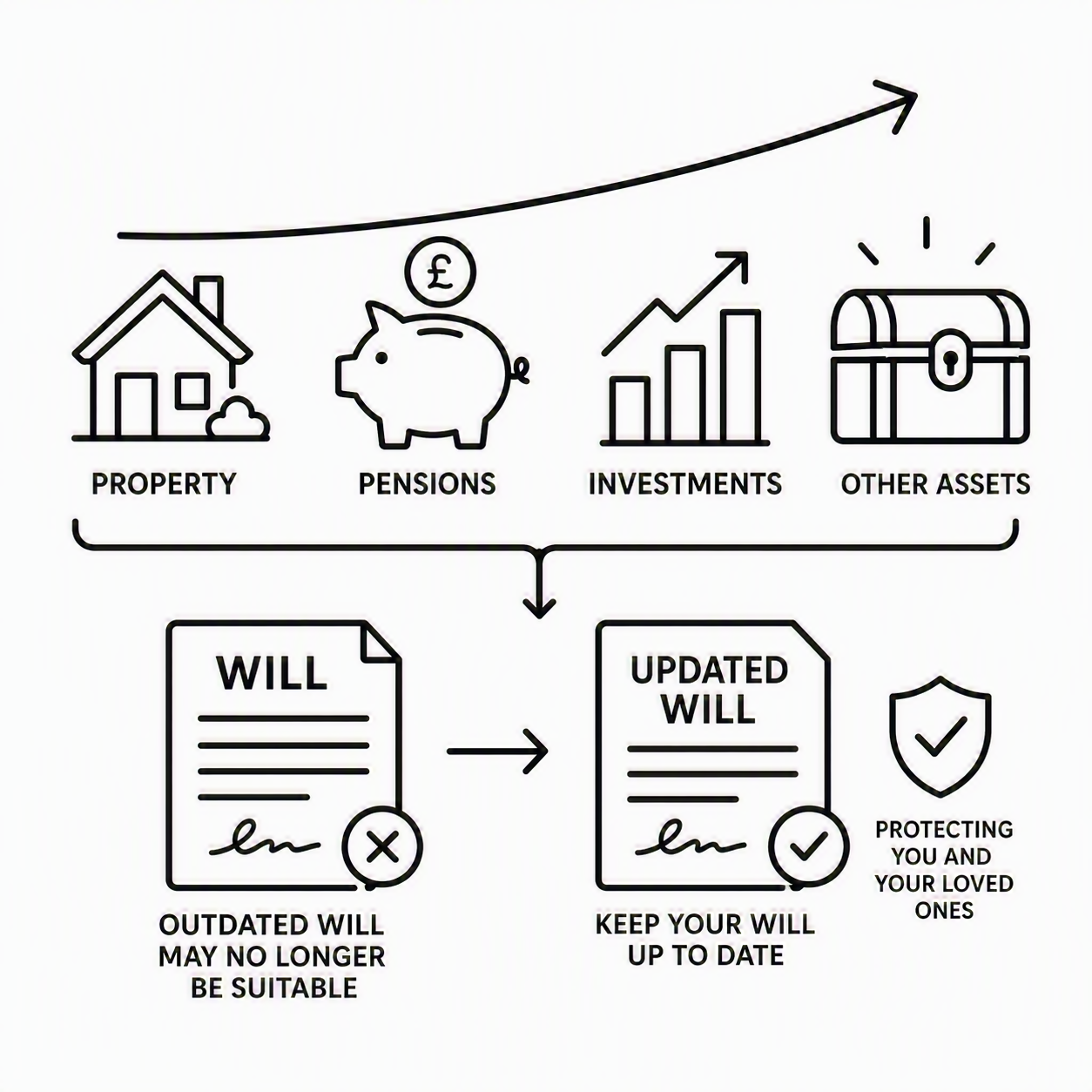
Your wealth evolves
As your assets grow or change, including property, pensions and investments, your will needs to keep pace or it may no longer be suitable.
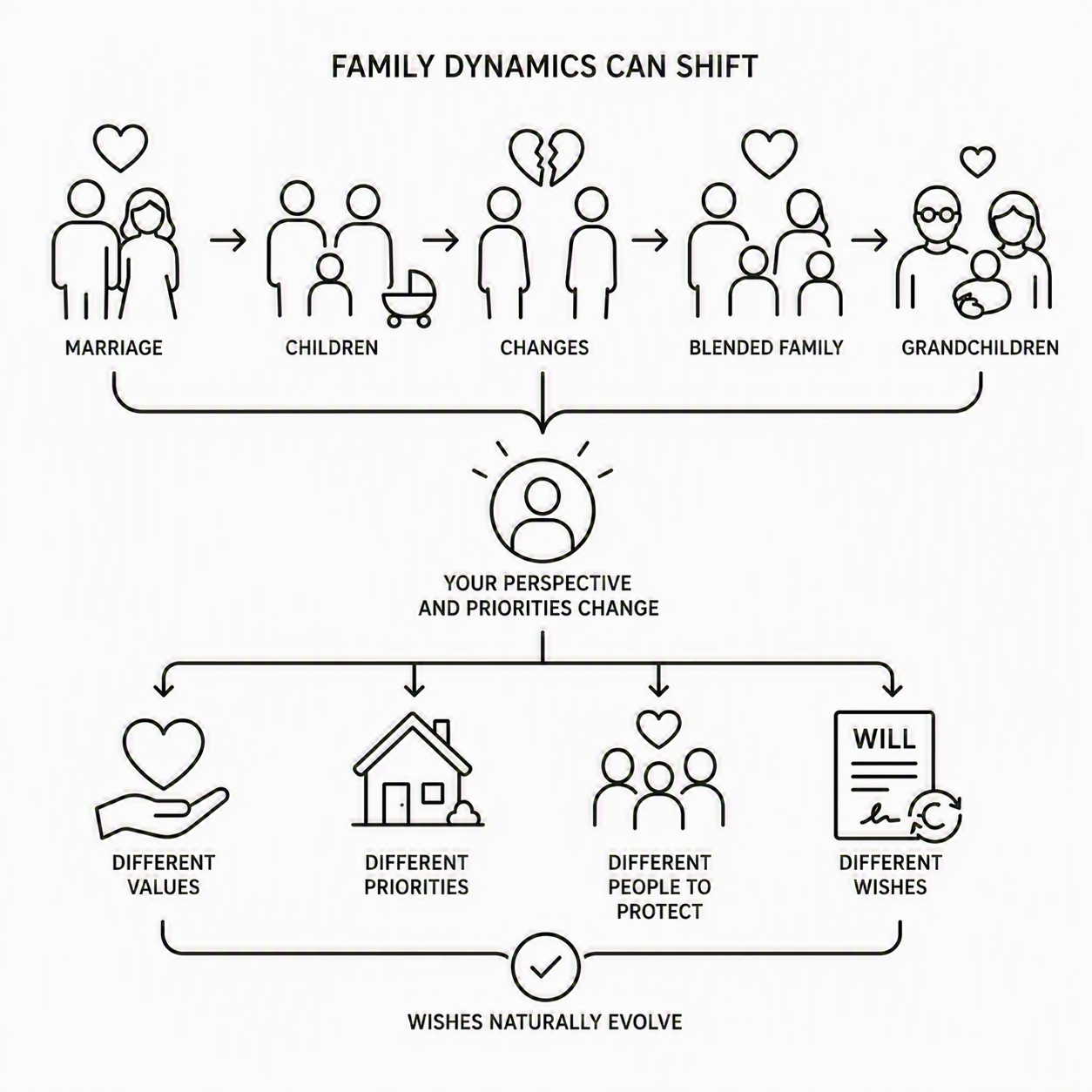
Relationships change
Family dynamics can shift, and your wishes may naturally evolve as a result.
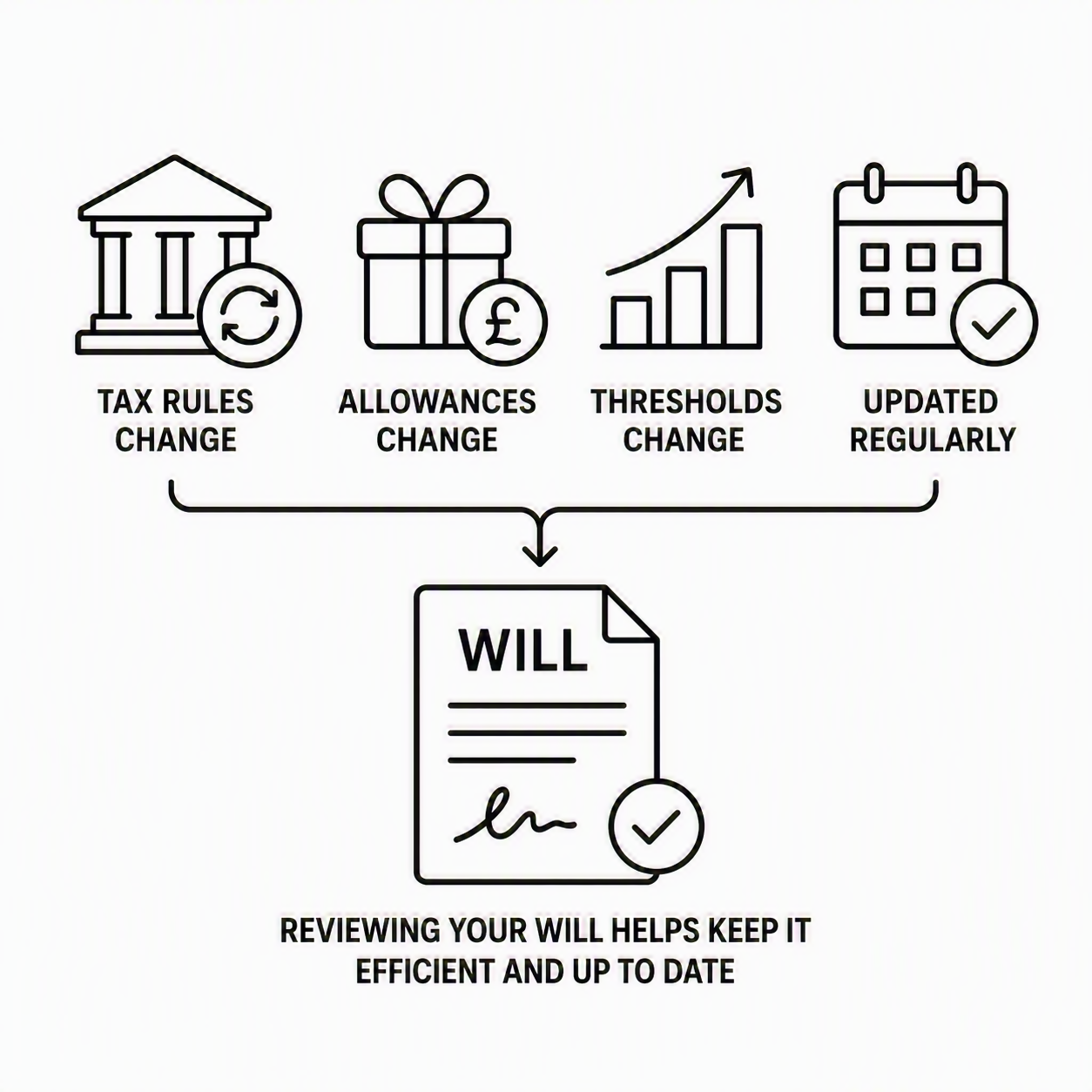
Tax rules and legislation change
Inheritance tax rules and allowances are updated over time, and reviewing your will can help ensure it remains efficient.
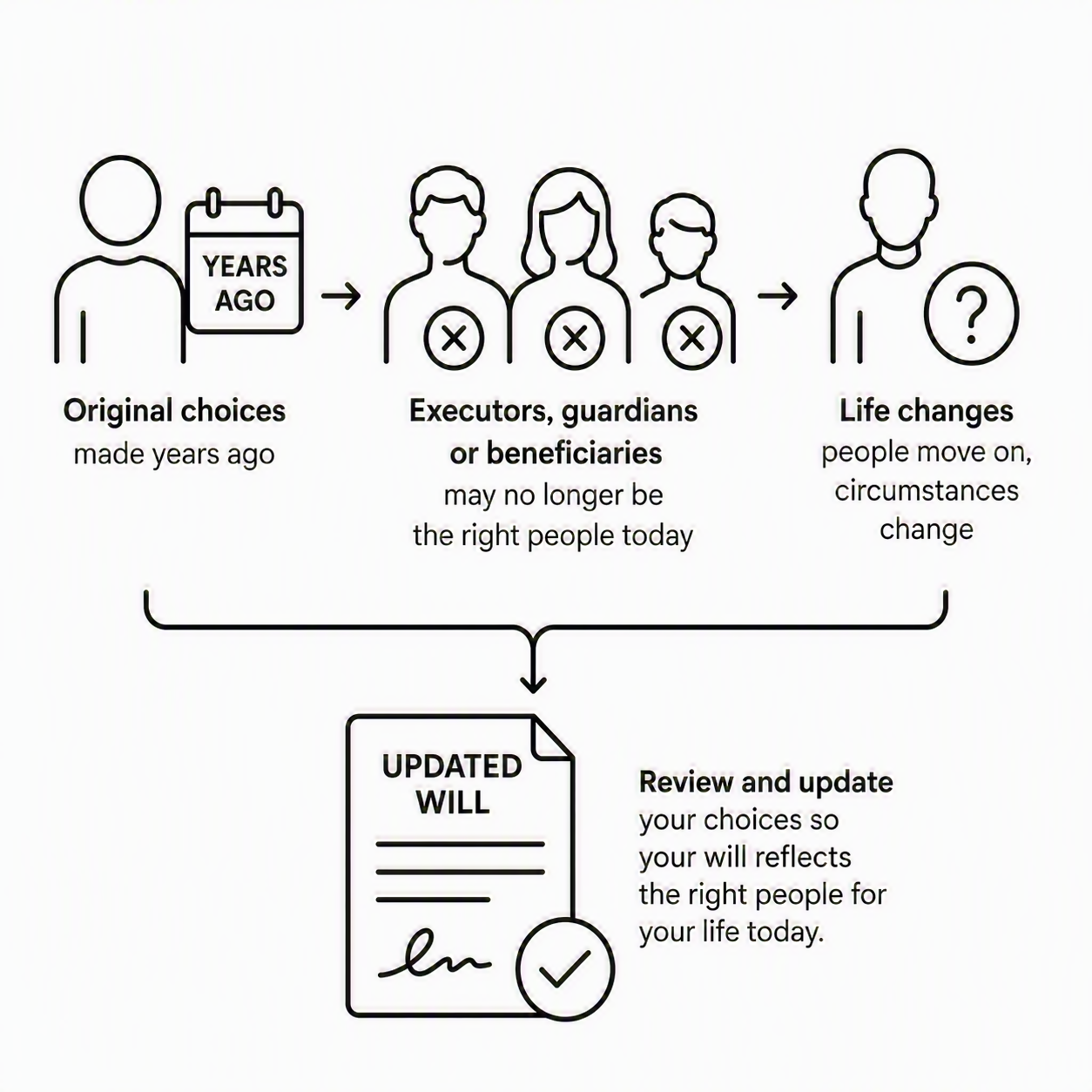
Your choices may no longer fit
Executors, guardians or beneficiaries chosen years ago may no longer be the right people today.
Did you know?
Whether you're creating your first will or updating an existing one, your Financial Planner can help you take the next step.
ContactKeeping you up to date on the latest views
View all resources-
The Payne of not having a Will
We all lead busy lives but don’t overlook the importance of planning for the future and ensuring our loved ones are protected.
-
Probate done properly
-
Taking control before the final whistle
Discover why taking control of your legacy now can offer true peace of mind - for you and the people you care about most.
Glossary and FAQs
Wills can be complex documents, with a wide range of terms and possible outcomes. This glossary and set of frequently asked questions reflect what we’ve most commonly been asked over more than 30 years in business.
Administrator
The person appointed to manage an estate when there is no valid will (intestacy).
Beneficiary
Someone entitled to receive assets, money or property from a will or trust.
Bequest / Legacy
A gift of money, property or possessions left to someone in a will.
Codicil
A codicil is a legal document that makes minor changes or additions to an existing will without replacing it entirely.
Estate
Everything a person owns at the time of death, including property, savings and personal belongings.
Executor
The person named in a will who is responsible for administering the estate and carrying out its instructions.
Grant of Probate
A legal document issued by the Probate Registry confirming an executor’s authority to deal with the estate.
Intestacy
When someone dies without a valid will. Their estate is distributed according to strict legal rules.
Probate
The legal and administrative process of dealing with a person’s estate after death.
Testator
The person who makes a will (modern usage often just says “the person making the will”).
FAQs
What happens if I die without a will?
Your estate follows strict legal rules. This can lead to unintended outcomes and delays for your family.
What should a will include?
Typically:
- Who should inherit your assets
- Who will act as executor
- Guardians for children
- Any specific gifts or wishes
Who should I choose as my executor?
Someone you trust to carry out your wishes efficiently. This could be a family member, friend, or professional.
How often should I review my will?
Every few years, or sooner if your circumstances change (e.g. marriage, children, divorce, significant wealth changes).
Outdated wills can lead to unintended consequences.
Does a will cover everything I own?
Not always. Some assets (like pensions or jointly owned property) may pass outside your will depending on how they’re structured.
Can I change my will later?
Yes. You can update it using a codicil or create a new will entirely.
What is probate?
The legal process of administering your estate, including gathering assets, paying debts, and distributing what’s left.
Where should I keep my will?
Somewhere safe and accessible. It’s important that your executors know where to find the original.