
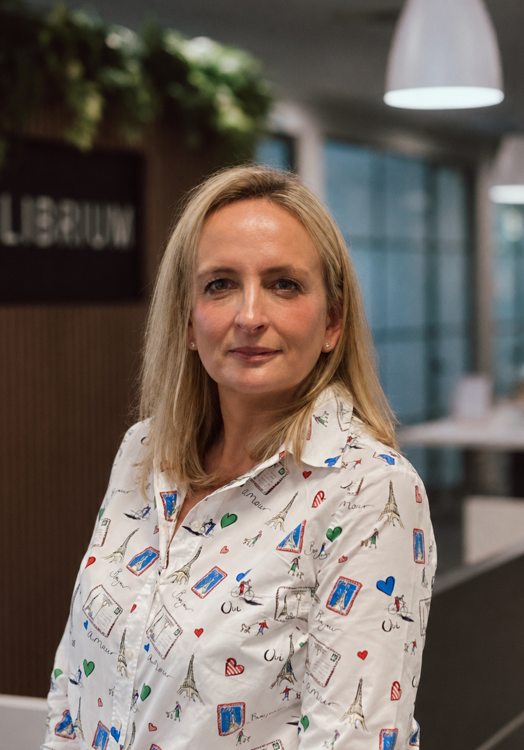
 Lucy Woolrich
In many financial planning firms, paraplanners have two obvious career paths: deepen their technical expertise or become advisers. At Equilibrium, we’ve created a third option, one that combines planning expertise with client relationship management.
A different path
We believe the strongest client relationships are built by people with a deep understanding of financial planning. That’s why we develop paraplanners into client managers: professionals who combine technical knowledge with strong relationship skills and real ownership of the client experience. Not every paraplanner wants to make that move. The point isn’t that one path is better than another, but that people grow in the direction that suits their strengths and ambitions.
Many of our client managers began their careers as paraplanners, developing their technical expertise before taking on greater responsibility for client relationships. It’s a progression that builds on what they already do well, rather than asking them to leave those skills behind.
The move from paraplanner to client manager is more than a change of title.
Paraplanners are technical specialists. They research solutions, work through complex scenarios and prepare recommendations, helping ensure advice is robust and suitable. Much of that work happens behind the scenes, but it plays a vital role in helping clients achieve their goals.
Paraplanners still have a vital place at the table, which is why we have just started recruitment for our first dedicated paraplanner role, providing specialist technical support alongside our client managers. This gives client managers greater technical support, enabling them to focus even more on delivering exceptional service for our clients.
Client managers build on that expertise by taking a more visible role in the client relationship. They have a deep understanding of each client’s circumstances, attending meetings and overseeing advice implementation. As a familiar point of contact throughout the year, they can explain complex planning clearly, in terms that fit each client, and see every recommendation through.
That changes what it feels like to be a client.
Rather than relying on one individual, every client has two professionals, their designated financial planner and their client manager, who know their goals, their family and their plans. Questions get answered by someone who already knows the circumstances, and because financial planning often spans decades, there is always more than one person who knows the client well.
A model built to last
The benefits extend beyond the client experience. Working alongside skilled client managers gives planners more time to focus on helping clients make important decisions, knowing the support is in safe hands. For the business, it builds a steadier firm that can grow and still deliver excellent service.
Perhaps the greatest benefit, though, is for our people. Becoming a client manager offers a natural way to broaden their career, building on existing strengths while developing new communication, relationship and commercial skills. It also helps us retain great people. By offering different career pathways, talented individuals can continue growing without feeling they need to leave the business or change profession. That continuity benefits everyone, especially our clients, who build trusted relationships with familiar faces over many years.
We built the client manager model because we believe great financial planning depends on both technical expertise and trusted relationships.
By investing in people, not just roles, we’ve created a model where every client benefits from the support of two professionals who know them well. For clients, that means the confidence that their plans and the relationships behind them will be there for the long term.