
 Mark Barlow
“Every generation blames the one before”, sang Mike & the Mechanics in 1988, but when it comes to financial planning, we should surely learn from the experiences of our elders.
Over the years, financial planning has not so much evolved as it has changed shape, often driven by whatever tax wrapper happened to be flavour of the month. It’s a reminder of how quickly the landscape moves. If you were to ask someone today who is in their twenties what an endowment mortgage is, you will likely get a blank stare. Yet less than 40 years ago, more than 80% of new UK mortgages were built on exactly that structure. (1)
Times change, planning tools change… and so does our understanding of what “good planning” looks like.
So, with a team spanning five decades, who better to ask than our own staff to discover not only the lessons learned over the years, but also what their current and future plan entails.
Eight people. Eight moments in time
To keep things simple and true to our values, we asked everyone the same questions, aiming to capture a quick snapshot of how different generations view and approach financial planning today. The questions below were based not on a technical framework, but more of a focus on the human reality side of financial planning:
- Which tax wrappers matter to you most right now?
- How are you currently investing?
- What are your priorities over the next ten years?
- What advice would you give your younger self?
- What, if any, is your realistic dream purchase in the next 10 years?
Your 20s: Learning faster beats being clever
Seb Finlay, Client Manager: Letting time do the work
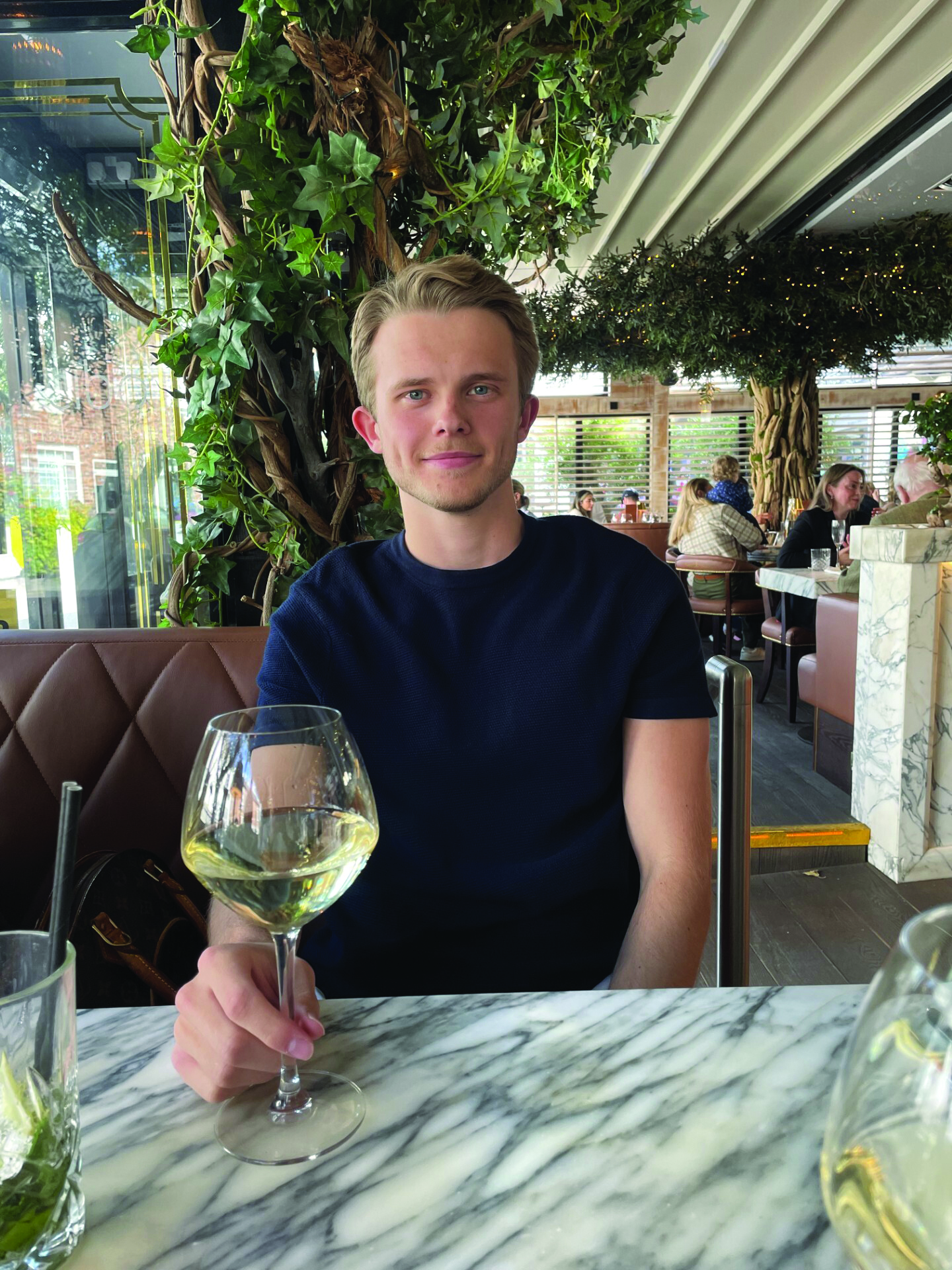
Seb, the youngest participant and a recent addition to Equilibrium, already understands that time is his greatest financial asset. His approach to planning is impressively practical, with a six-month emergency fund firmly in place to provide a vital safety net.
Like many in their 20s, one of Seb’s biggest challenges is saving for his first home. He is tackling this head on by consistently contributing to a Lifetime ISA, making full use of the valuable government incentive along the way. Alongside his ISA, Seb also invests through a government incentivised stocks and shares ISA and makes regular contributions to his pension.
His portfolio is heavily weighted towards global equities, which reflects his long-term investment horizon. Around 20% is allocated to lower risk assets, providing flexibility to invest during market downturns and ensuring accessible funds remain available for emergencies. This approach fits neatly with his core principle: buy when others are fearful, and sell when others are greedy.
With such a grounded attitude towards shaping his future, Seb also allows himself to dream a little, with longer term ambitions that include a first-class trip to the Maldives, or perhaps a Rolex to mark the journey.
Grace Burgin, Financial Planner: Making space for life happening

Grace, only slightly further down the road than Seb, is already showing how a financial plan needs to adapt as life evolves. With her wedding on the horizon, she’s keeping more money in cash ISAs than usual, prioritising short-term certainty over potential growth.
Beyond this, her approach is deliberately layered. The medium term is focused on steadily building her stocks and shares ISA over the next decade, while the longer term centres on disciplined saving into her workplace pension. One standout lesson for Grace (and reassuring news for Seb) is just how instrumental her Lifetime ISA was in helping her buy her first home.
A tip Grace shares with younger clients and follows herself is the importance of setting up regular monthly contributions. By ring fencing part of her salary for savings and investments, and taking a higher risk approach within her pension to benefit from pound-cost averaging while retirement is still decades away, she has built strong habits early on.
By establishing this savings discipline in her early years, Grace is giving herself the best possible chance of continuing to climb the housing ladder in the future.
Your 30s: When everything competes
Rob Douglas, Systems Manager: Climbing the next mountain
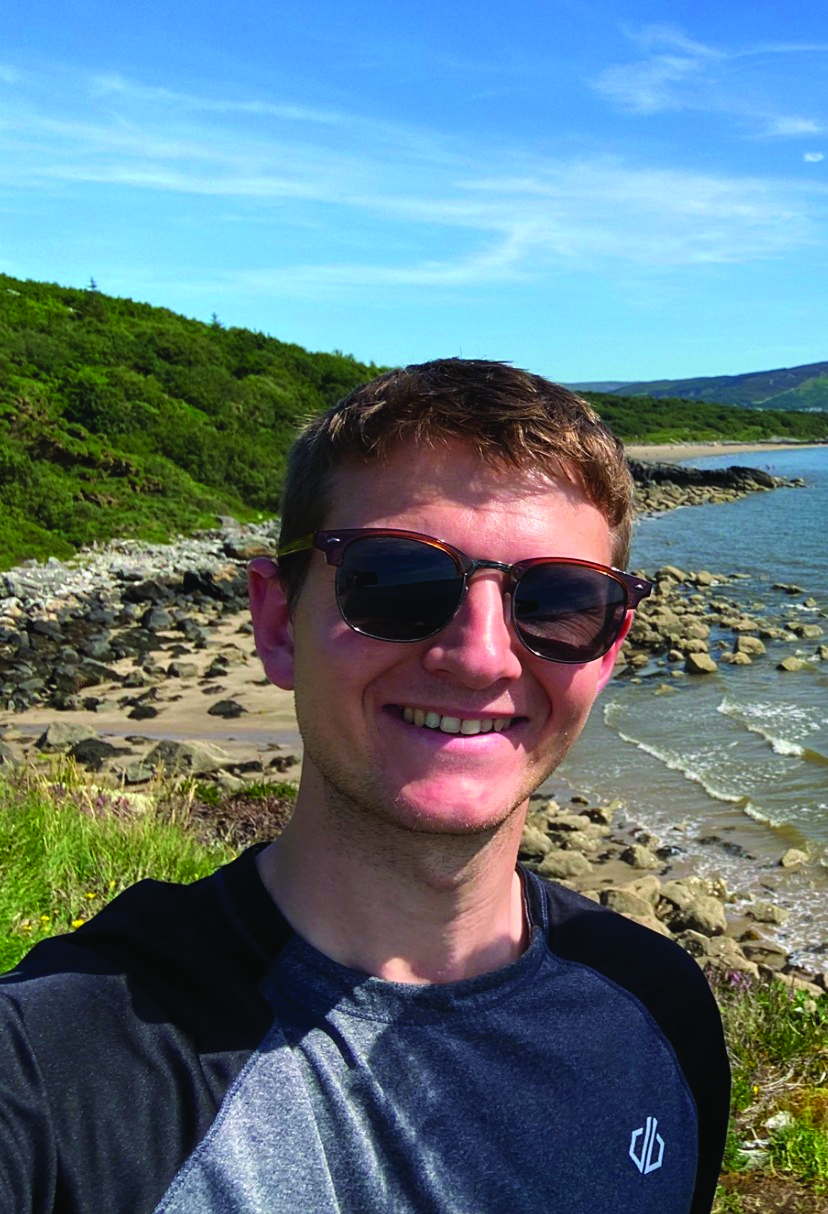
Having recently purchased his first home, Rob is feeling the squeeze on cash after spending the best part of the last decade diligently building a sizeable deposit.
The next ten years will be a three-pronged effort: rebuilding his cash reserves, increasing tax efficient pension contributions, and using stocks and shares ISAs for medium term investing, with the longer term aim of potentially funding a house extension.
Equity funds continue to play a central role in Rob’s portfolio, particularly within his pension. However, as the value of his stocks and shares ISA grows and the prospect of a house extension moves closer, he plans to gradually take some risk off the table by diversifying across a wider range of asset classes, helping to reduce short term volatility.
Jon Brusell, Associate Financial Planner: Family focus
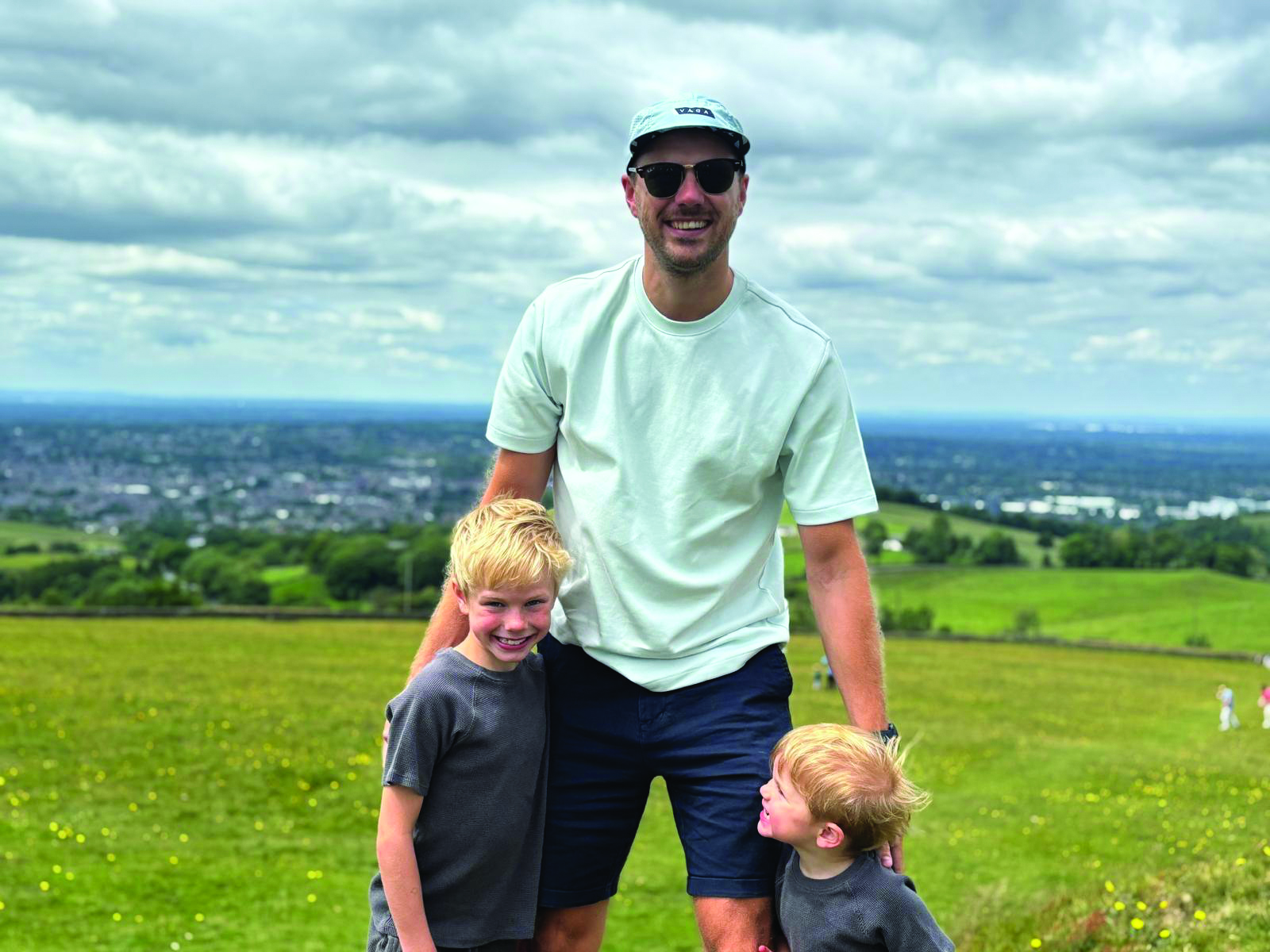
With two young children, Jon’s short term financial planning has naturally centred on family priorities in recent years. As a Chartered Financial Planner, Jon understands the importance of good planning, but he is equally aware of the everyday pressures and competing demands that come with raising a young family.
He maintains long-term discipline by following the “pay yourself first” philosophy, making monthly pension contributions before any other expenses so that saving happens automatically rather than as an afterthought. Jon invests heavily in his pension, taking a higher risk approach through a Global Equity fund, reflecting a long investment horizon of more than 30 years.
In the nearer term, his focus is on starting Junior ISA contributions for his children, rebuilding the family emergency fund, and, once those foundations are in place, planning a memorable luxury family holiday for everyone to enjoy.
Your 40s: Clarity beats complexity
Ryan MacDonald, Senior Client Manager: Looming further education costs
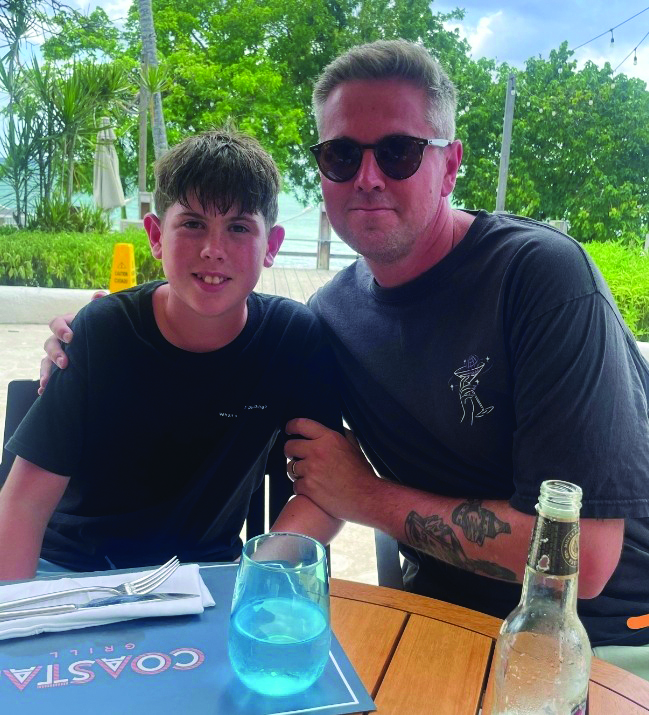
Ryan and his family have only just emerged from the disruption of upsizing their home, yet another major milestone is already approaching: university costs. With his daughter Starla hoping to start university in September, both the timing and scale of the expense are firmly in focus.
Ryan has responded cautiously, increasing cash holdings to protect against short-term market volatility while maintaining a clear, structured plan for funding education. Reducing personal debt also plays a key role, reflecting the reality that borrowing costs often outweigh cash returns, while still keeping enough liquidity for life’s unexpected moments.
Looking further ahead, the next decade is about steadily reducing the mortgage and, if all goes to plan, finally delivering a long-held ambition: a truly “whopper” home extension.
Mark Barlow, Marketing: The light at the end of the tunnel

With much of the heavy lifting around university planning now behind him, and his daughter Ella coming to the end of her first year, Mark’s focus has shifted. Attention is now focused on funding Ella’s remaining years, while his son Jake’s plans to start university in 2027 are firmly on the horizon. At the same time, Mark is beginning to lay the foundations for his children’s future property purchases.
After inheriting funds a decade ago, Ella and Jake benefited from a 120% gain through investment in the Equilibrium Global Equity fund. Now that Ella is 18, £4,000 is sold each year using her capital gains tax allowance, with proceeds redirected into a Lifetime ISA to capture the 25% government bonus, alongside a more balanced approach to risk.
Rather than relying on a single mortgage, Mark spreads borrowing across multiple fixed-rate mortgages to manage interest-rate risk. Built-in overpayment flexibility also provides an accessible family emergency fund. By holding a balanced portfolio that lets him sleep soundly, Mark hopes future returns will help fund a long-held dream: travelling through South America watching football, ending with a pilgrimage to Boca Juniors.
Your 50s: From growth to reliability
Catherine Dooley, Transformation Manager: Slowing down the pace
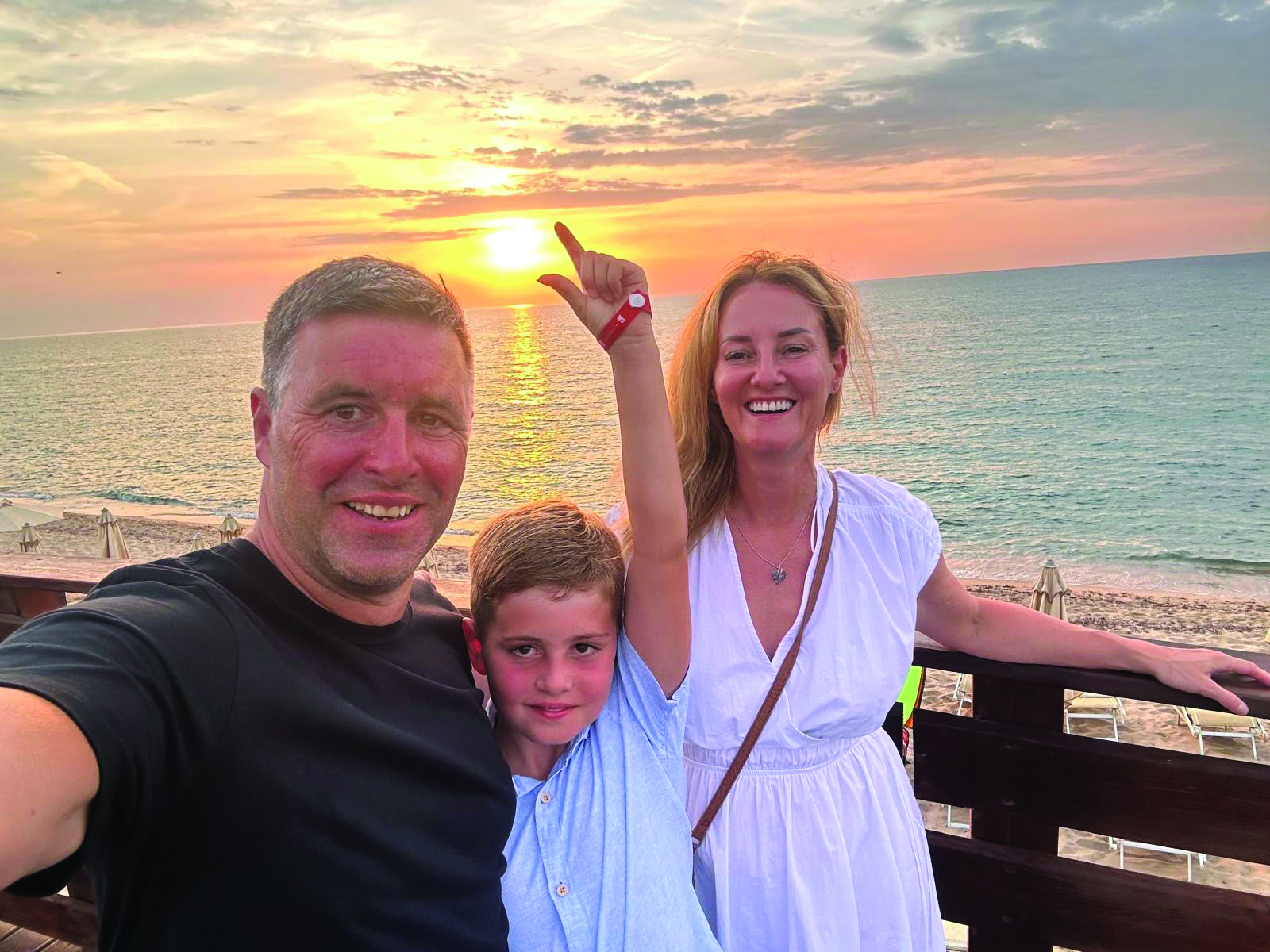
Catherine’s experience is that by the time you reach your 50s, the financial conversation begins to shift. The focus moves away from general accumulation and towards retirement, with greater emphasis on certainty and control to ensure the next phase of life feels secure, balanced and well planned.
Having spent most of her career in financial services, Catherine brings valuable perspective and understands the importance of consolidating what she has already built, rather than chasing unnecessary growth in individual stocks. With access to pensions approaching over the next few years, maximising contributions while earnings are at their peak has become a clear priority.
This stage of life also brings added complexity. Alongside pensions, Catherine now manages a broader mix of assets, including rental property. Her approach remains disciplined: monitoring finances closely, sticking to effective budgets, maximising employer pension contributions and favouring diversified funds through regular saving and pound-cost averaging.
Looking ahead, the next decade is about balancing sound financial planning with enjoying life alongside family, with plans including moving house to a more rural setting, a family trip to Canada, and fulfilling a long-held ambition of a solo ranch trip.
Your 60s and beyond: Confidence over accumulation
Neal Foundly, Portfolio Manager: Enjoying the fruits of his labour
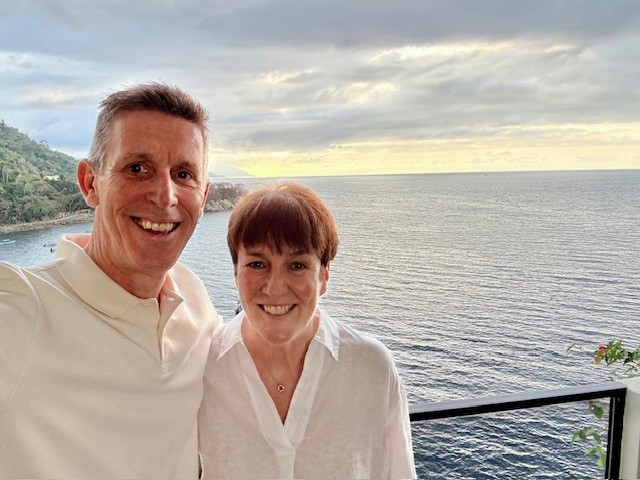
For Neal, the focus has now shifted decisively from growth to stability. The priority is ensuring he can fund a comfortable and well deserved retirement, while also supporting family with further education costs along the way.
When it comes to investing, Neal prefers to let compounding do the heavy lifting rather than trying to time unpredictable markets. That said, he recognises that when surplus capital is available, periods of significant market falls can present sensible opportunities to invest.
These lessons are ones Neal has been keen to pass on. By setting up a small trading account for his son, he has helped him learn the real truths of investing: getting rich quickly is rare (despite what social media might suggest), and losses are an inevitable part of the journey.
Content with life and everything he has experienced so far, Neal is now looking ahead to a calmer pace in retirement, travelling more and for longer. Being able to pair those trips with Formula 1 Grand Prix weekends would be the icing on the cake.
The moral of the eight stories
One simple truth stands out: good planning isn’t about predicting the future, it’s about being prepared for it. That’s why we always use Voyant, a lifetime cashflow planning tool that gives a clear picture of your finances now and as life evolves – a work in progress rather than a finished piece of art!
Every decade brings its own pressures, opportunities, and priorities, yet clarity, consistency and a willingness to adapt will always outshine any attempt to second guess the market.
The tools may change, tax wrappers may shift, and life will always throw in a few surprises, but the principles remain unchanged. Build steadily, review often, stay honest about your goals, and give your plan the space to grow alongside you. After all, the living years aren’t something to chase – they’re something to shape.
This article is intended as an informative piece and should not be construed as advice. If you have any further questions, call us on 0161 383 3335 or by reaching out to your usual Equilibrium contact.
(1) House of Commons Briefing paper “Shared appreciation mortgages”, June 2015