 Mark Barlow
That’s what gets results. When Fun Boy Three were writing those lyrics (near enough), Nordic tax rates were almost certainly not front of mind, yet the message feels surprisingly apt.
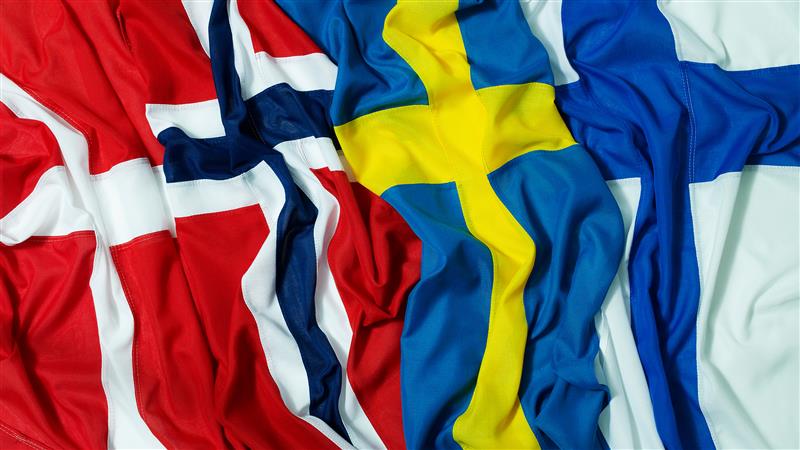
Headlines regularly highlight that top income tax rates in the Nordic countries are higher than the UK, yet five of the six happiest countries in the world are Nordic (Costa Rica being the other). If people there are paying more tax, why are they so content? With the UK sitting in 29th place, should we actually increase tax to make us happy or is there a more obvious reason? (1)
It is true that the Nordic countries generally collect more tax overall than the UK. Across the population, people tend to pay higher tax from earlier in their working lives. In particular, average earners in Denmark or Sweden will usually pay significantly more tax than their UK counterparts.
What seems to matter more, however, is how that tax is applied.
Predictability outweighs surprises
In the UK, the tax system is relatively generous at lower- and middle-income levels. Many people pay comparatively little tax early in their careers. This feels positive at first, although it comes with a trade-off. As income rises, tax rates can increase sharply and, in some cases, unexpectedly.
The most well-known example is the £100,000 to £125,140 band, where the personal allowance is gradually withdrawn. This creates an effective income tax rate of 60%, before National Insurance is even considered. For many professionals, a pay rise or bonus in this range can feel deeply unrewarding.
The Nordic approach is very different as tax tends to start earlier and rise more steadily as income increases. There are fewer cliff edges and far fewer “surprise” tax bands. Higher earners do pay more tax, although they generally do so through a smooth progression, not sudden jumps.
This predictability matters. People know where they stand, can plan with confidence, and are less likely to feel penalised for progressing in their careers.
It also helps explain why Nordic countries can sustain higher overall tax levels with relatively strong public support.
Tax benefits
Tax is only one side of the equation and what really differentiates the Nordic model is what tax pays for.
High-quality healthcare, affordable childcare, strong education systems and effective social safety nets are widely accessible. Importantly, these services are not just for those on low incomes. Middle and higher earners also benefit directly, often reducing the need for large private costs later in life.
This combination of predictable taxation and visible benefits appears to support higher levels of trust, security and life satisfaction.
Where the UK sits today
The UK is not a high tax country by international standards, although it does have some of the sharpest marginal tax rates at specific income points. This helps explain why many people feel heavily taxed, even though overall tax levels remain lower than in the Nordic countries.
The lesson is not that one system is “right” and the other “wrong”. It is that structure matters as much as scale.
What this means for you
Understanding how tax works at different income levels is crucial for effective planning. In the UK, careful structuring around key thresholds can make a meaningful difference to long-term outcomes. Pension contributions, allowances and timing of income all play an important role.
Speak to an expert
At Equilibrium, our role is to help you navigate these complexities, reduce unnecessary tax friction and ensure your wealth is working as hard as possible for you.
If you would like to explore how your own position compares, or how small changes could improve outcomes, we would be happy to help.
Call 0161 486 2250 or contact your usual Equilibrium contact.
If you’re new to us, call 0161 383 3335 or click here to book a no cost, no-obligation chat with one of our friendly experts.